

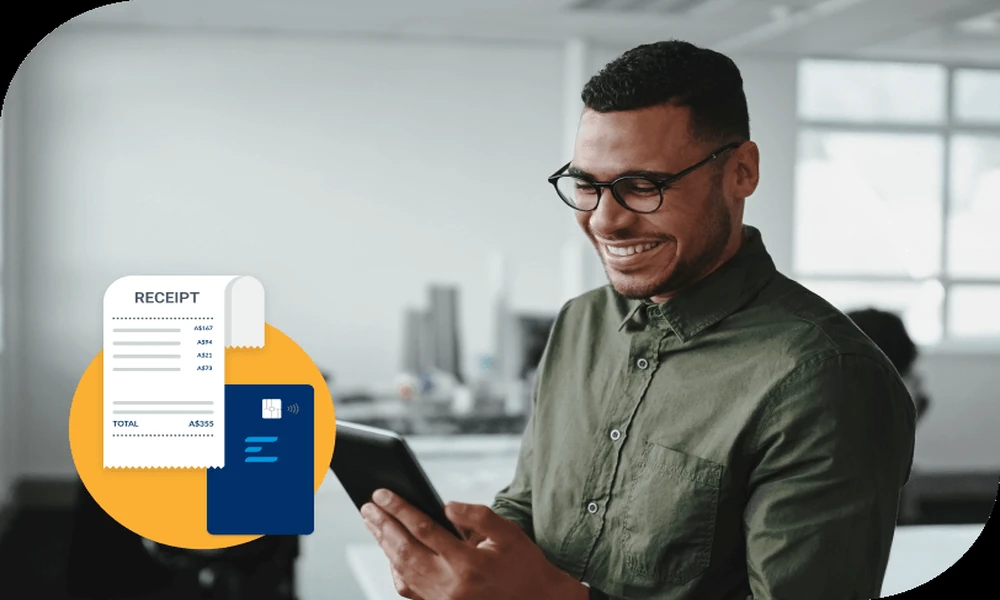
A bill payment app helps users manage regular dues from one place. Electricity bills, mobile postpaid bills, broadband charges, gas bills, DTH payments, water bills, insurance premiums, and credit card dues can become difficult to track when each payment has a different due date. A digital app makes this process easier by allowing users to check pending bills, complete payments, and save receipts.
For many households, monthly payments are fixed responsibilities. Missing a due date can lead to late fees, reminders, service interruption, or extra follow-up with the provider. A bill payment app can reduce these issues when used carefully. It helps users stay organized and maintain better control over recurring expenses.
What Is a Bill Payment App
A bill payment app is a mobile platform that allows users to pay different service bills digitally. It may support electricity boards, gas providers, telecom operators, DTH companies, broadband services, insurance providers, municipal services, and other billers.
The user usually selects a bill category, enters the consumer number or registered mobile number, checks the bill amount, and confirms payment. After successful payment, the app provides a receipt or transaction ID.
The main purpose of the app is to simplify bill management. Instead of using separate websites or visiting payment counters, users can handle many regular bills through one platform.
Why Users Prefer Bill Payment Apps
Users prefer bill payment apps because they save time and reduce manual effort. A person does not need to stand in queues or visit different offices for different bills. Payments can be completed from home, office, or while travelling.
Another reason is better tracking. A bill payment app stores payment history, which helps users check past dues and receipts. This is useful for budgeting, family expense tracking, and resolving payment disputes.
The app may also send reminders before due dates. This helps users avoid missed payments and late charges.
Common Bills Paid Through an AppElectricity Bills
Electricity bills are among the most common payments handled through bill payment apps. Users can check the bill amount and due date before paying.
Mobile and Broadband Bills
Postpaid mobile, landline, and broadband payments can be managed digitally. This helps avoid service interruption.
Gas and Water Bills
Many gas and water service providers support online payments through bill payment platforms.
DTH and Subscription Payments
Users can recharge or renew DTH services and certain subscriptions through supported apps.
Insurance and Credit Card Dues
Some apps allow users to pay insurance premiums and credit card dues. Users should verify details carefully before payment.
How a Bill Payment App Works
The process starts with selecting the bill type. The user then enters the required details, such as customer ID, account number, subscriber ID, or mobile number. The app fetches the bill from the service provider if supported.
After the bill appears, the user should verify the name, amount, billing period, and due date. Once confirmed, the user can choose a payment method and complete the transaction.
After payment, the app shows a success message, receipt, or transaction reference number. Users should save this until the service provider updates the payment status.
Features That Make Bill Payments Easier
A useful bill payment app should provide clear bill details, secure payment options, due date reminders, saved billers, payment history, and complaint support.
Saved Billers
Saved billers help users avoid entering the same account details every month. This reduces time and lowers the chance of typing errors.
Due Date Alerts
Due date alerts remind users to pay before the last date. This is helpful for people managing multiple bills.
Payment Receipts
Digital receipts help users keep proof of payment. They can be useful for disputes, reimbursements, or personal records.
Multiple Payment Options
A good app may support cards, net banking, wallets, and UPI so users can choose a method that suits their payment habit.
Complaint Tracking
If a payment fails or is delayed, complaint tracking helps users follow up with the app or biller.
Benefits of Using a Bill Payment App
A bill payment app can improve monthly money management. Users can see which bills are due, which ones are paid, and how much they spend across different services.
The app also reduces the chance of missing payments. When users save billers and enable reminders, they can handle dues before penalties apply.
Digital records are another benefit. Instead of keeping paper receipts, users can check past transactions in the app. This is useful when comparing monthly expenses or checking whether a payment was already made.
Safety Tips While Paying Bills
Users should download bill payment apps only from official app stores. Unknown APK files, payment links, and random messages should be avoided.
Before payment, users should verify the biller name, consumer number, amount, and billing period. If the bill amount looks unusually high, it is better to check the official bill before paying.
Users should not share OTPs, passwords, card PINs, or payment PINs with anyone. Customer support teams do not need such details to confirm a payment.
It is also safer to avoid public Wi-Fi while making payments. Users should keep their phone locked and enable app security features where available.
Common Mistakes to Avoid
One common mistake is paying the wrong biller. This can happen when users select a similar provider name without checking carefully.
Another mistake is entering the wrong customer ID. A small typing error can lead to payment failure or payment being linked incorrectly.
Users should also avoid waiting until the last date. Some payments may take time to reflect with the biller, especially during server delays or bank issues.
Ignoring payment confirmation is another mistake. Users should check whether the status says successful, pending, or failed before assuming the bill is paid.
How a Bill Payment App Helps Budgeting
A bill payment app can show how much a user spends on essential services every month. Electricity, water, gas, mobile, broadband, insurance, and credit card payments can be reviewed together.
This helps users identify rising costs. For example, if electricity bills increase for several months, the household can review appliance usage. If mobile bills are high, users can check whether a different plan is needed.
Families can also use payment records to divide expenses more clearly. This is useful in shared households or rental arrangements.
What to Do If a Payment Fails
If a payment fails and the amount is not debited, users can try again after checking internet connection and biller details. If the amount is debited but the bill is not updated, the transaction ID should be saved.
Most failed payments are reversed within the standard timeline set by the bank or payment platform. If the refund is delayed, users should raise a complaint through the app and provide payment details.
Users should avoid making repeated payments immediately unless they confirm the previous transaction failed. Duplicate payments may take time to adjust or refund.
Choosing the Right Bill Payment App
The right bill payment app should be secure, easy to use, and support the billers the user needs. It should show clear bill information and provide receipts after payment.
Users should also check whether the app offers proper support for failed transactions, refunds, and biller issues. A simple interface is useful, but reliable service matters more.
The app should also make it easy to manage saved billers, remove old accounts, and update payment details when needed.
Conclusion
A bill payment app can help users manage monthly dues with better control. It supports faster payments, saved billers, due date reminders, digital receipts, and transaction history. These features can reduce missed payments and make household expense tracking easier.
The best way to use a bill payment app is to verify details before paying, save receipts, protect payment credentials, and review monthly records. With careful use, users can manage bills safely and avoid unnecessary late fees or payment confusion.
Frequently Asked Questions
What is a bill payment app?
A bill payment app is a mobile platform that allows users to pay regular service bills such as electricity, gas, water, mobile, broadband, and DTH.
Is a bill payment app safe?
Yes, it is safe when users use trusted apps, verify bill details, protect payment credentials, and avoid unknown links.
Can I save billers in a bill payment app?
Many apps allow users to save billers, making future payments faster and easier.
What should I check before paying a bill?
Check the biller name, customer ID, amount, billing period, due date, and final payment status.
What happens if my bill payment fails?
Check the transaction status, save the transaction ID, and raise a complaint if the amount is debited but the bill is not updated.